
Why Winter Is the Best Season for Tree Pruning and Hazard Assessment in North Georgia
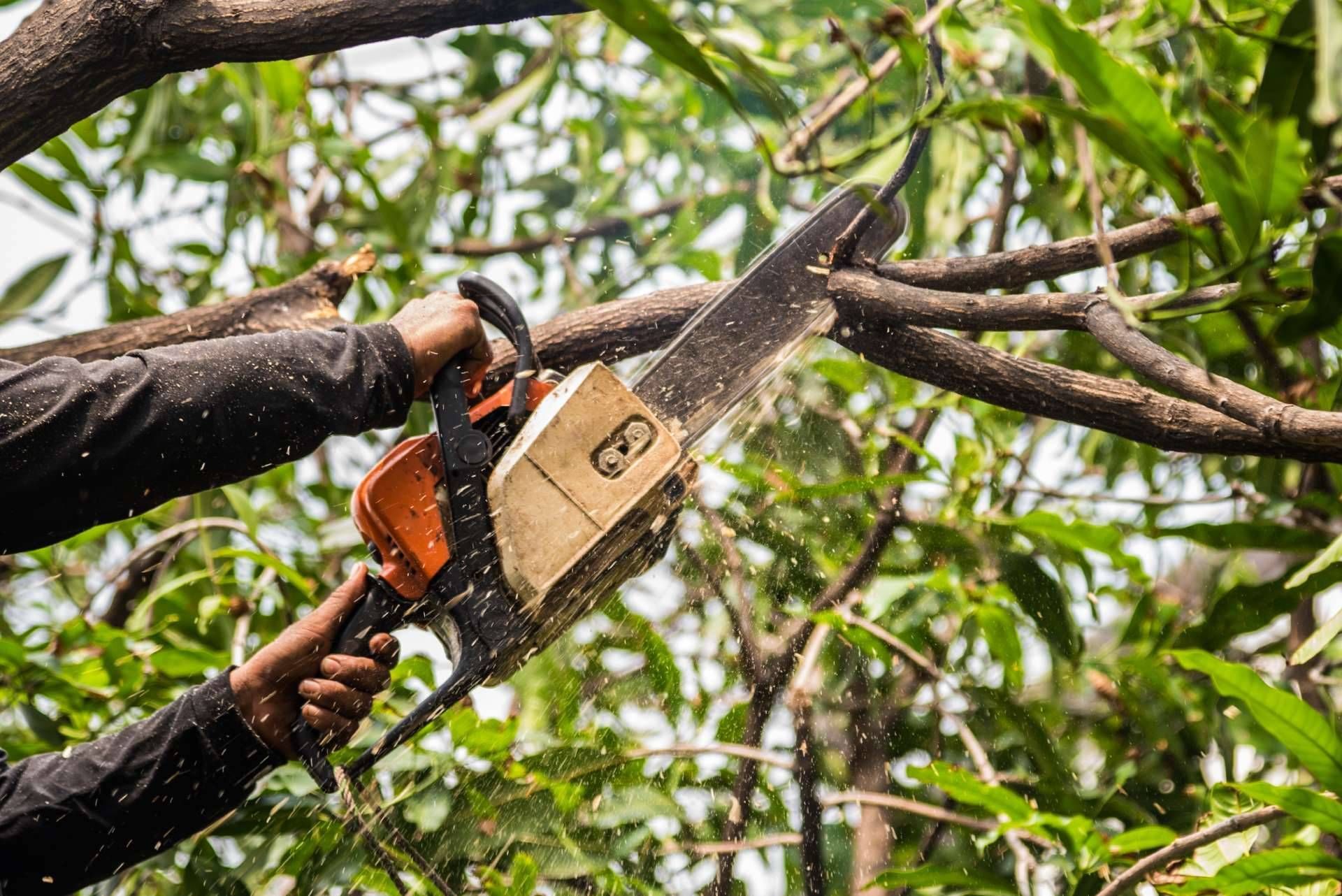
Why Winter Is the Best Time for Tree Pruning in North Georgia
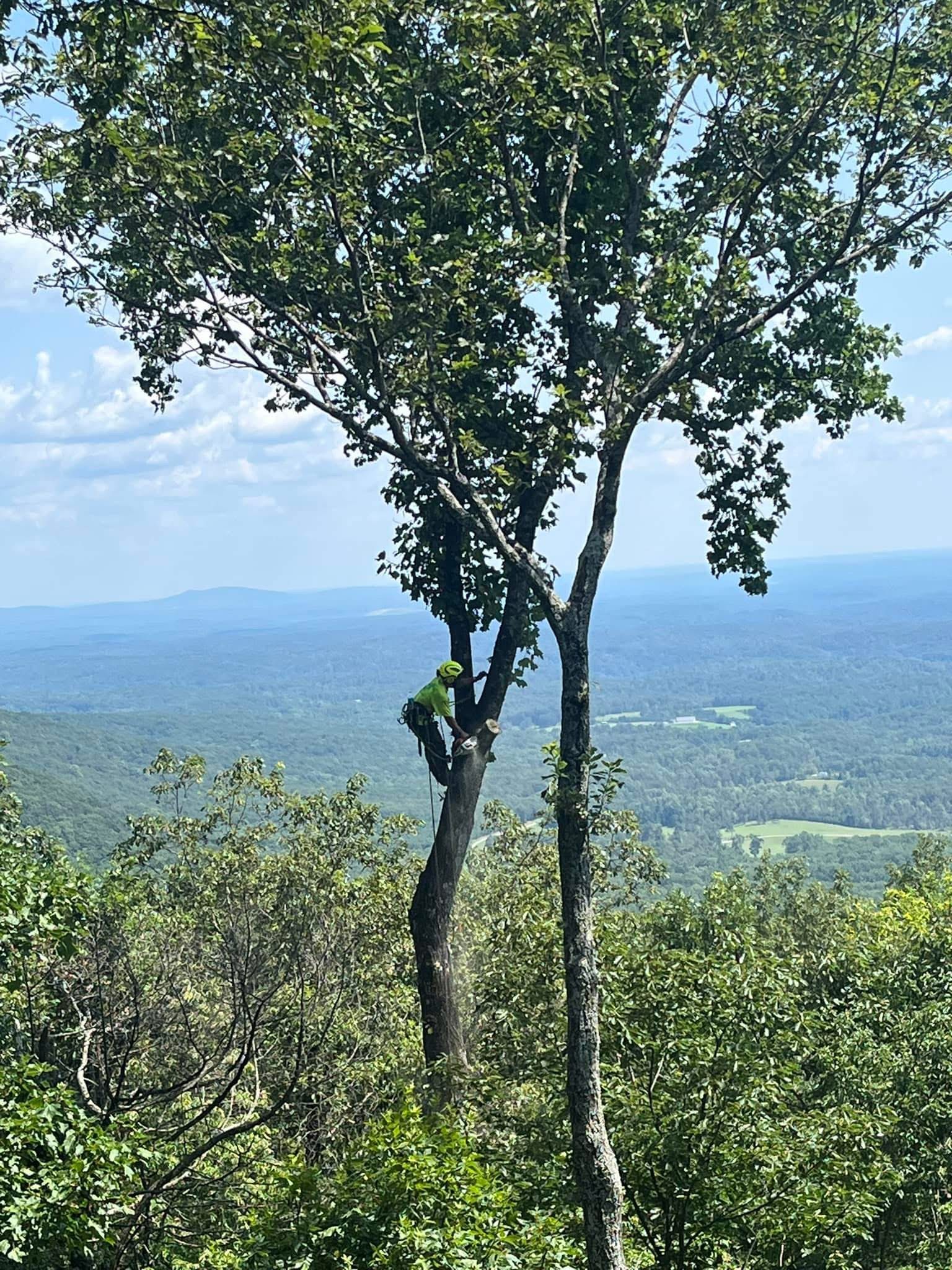
Winter is one of the most important seasons of the year for keeping your trees healthy, safe, and attractive in North Georgia. While many homeowners think of spring as “yard work season,” tree professionals know that the cooler months are actually the ideal time to perform most structural pruning. When trees are dormant, visibility is higher, growth is paused, and pruning cuts are less stressful on the tree.
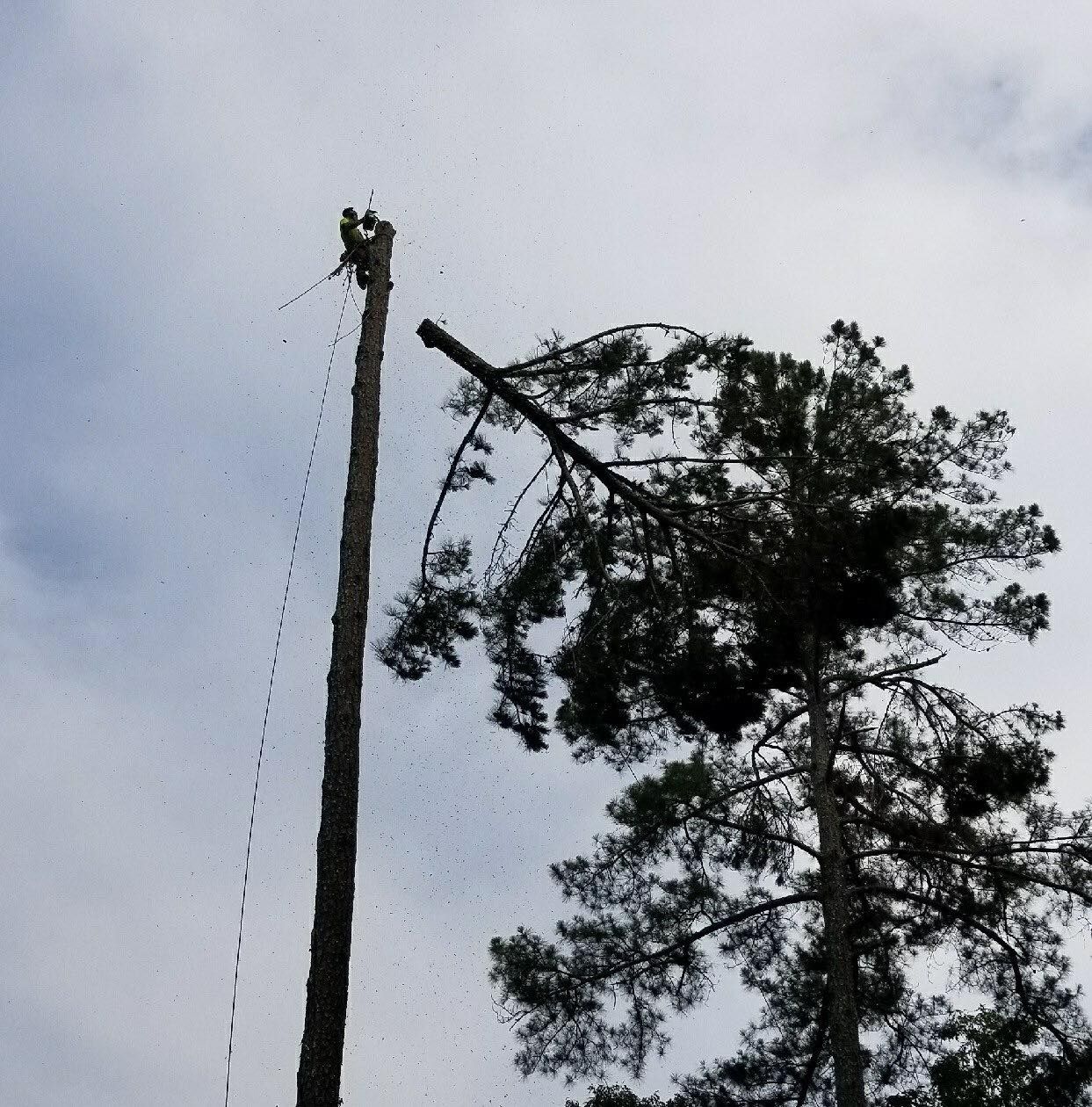
Executive Branch Tree & Landscape works throughout the North Georgia area helping homeowners take advantage of winter’s unique conditions. With leaves off the branches and insect activity low, winter offers the perfect window to reshape trees, remove deadwood, and reduce the risk of storm damage before the next round of severe weather hits.
Dormant Season = Less Stress on Your Trees
During winter, most trees enter a dormant phase. Growth slows, energy is conserved, and the tree is not pushing out new leaves or extending branches. This natural pause in activity is exactly why winter pruning is recommended. When pruning happens during dormancy, the tree can redirect its stored energy into healthy growth when spring returns, instead of fighting to recover from cuts while actively growing.
Pruning during winter helps:
- Reduce stress on the tree’s energy reserves
- Encourage strong, balanced growth in spring
- Minimize sap loss and shock to the tree
- Lower the chance of disease organisms entering fresh cuts
In a warm, humid climate like North Georgia, pruning in warmer months can attract insects and increase the risk of certain diseases. Winter avoids most of those threats, allowing cuts to seal more easily as the tree wakes up in spring.
Better Visibility for Structural Pruning
When leaves have dropped, your tree’s full structure is exposed. Branch attachments, crossing limbs, deadwood, and weak spots are all much easier to see without a full canopy in the way. This gives an experienced tree crew the ability to make more precise, strategic cuts.
Winter is the best time to:
- Thin out crowded branches that compete for space
- Remove limbs growing toward roofs, driveways, or power lines
- Correct poor branch angles that may split as the tree grows
- Shape the canopy for better balance and air flow
This type of structural pruning sets your trees up for healthier, safer growth for years to come. Instead of reacting to broken limbs after a storm, winter pruning helps prevent many of those problems before they ever occur.
Healthier Trees When Spring Arrives
Trees pruned in winter are positioned to respond strongly once temperatures rise. With dead or diseased branches removed and the canopy balanced, the tree can send nutrients to the healthiest limbs and new buds. You’ll often see fuller, more even foliage and better overall structure during the growing season.
For North Georgia homeowners, that means:
- Healthier shade trees with fewer dead limbs
- Ornamental trees that look more polished and intentional
- Reduced risk of falling branches in spring and summer storms
- Improved curb appeal as your landscape comes back to life

Winter Is the Best Season for Tree Hazard Assessment and Storm Preparation
Beyond pruning, winter is also the best time to evaluate your trees for potential hazards. North Georgia’s rainy winter weather, soft ground, and occasional wind events can expose weaknesses that aren’t obvious in drier seasons. A professional hazard assessment during winter helps identify risky trees and limbs before they cause damage to homes, vehicles, fences, or outdoor living areas.
Bare Branches Reveal Structural Problems
Once leaves have fallen, it becomes much easier to spot issues within the canopy. Problems that might be hidden by foliage in spring and summer are suddenly obvious against the winter sky. An experienced tree professional can quickly identify areas that need attention.
During a winter hazard assessment, common red flags include:
- Large dead branches that could easily snap in high winds
- Cracked or split limbs with visible separation
- Branches that cross and rub, weakening each other over time
- Unbalanced canopies that place excess stress on one side of the tree
- Decay pockets, cavities, or missing bark on trunks and major limbs
Winter is the ideal time to correct these problems before storms roll through and turn them into emergencies.
Rain and Soft Ground Increase Risk of Failure
Steady winter rain saturates the soil around root systems. When the ground becomes overly soft, trees may lose some of the support they normally rely on. This is especially risky for trees that already have compromised roots or that are leaning.
Warning signs that a tree may have root or stability issues include:
- A noticeable lean that has worsened over time
- Soil mounding or cracking on one side of the tree’s base
- Exposed roots or root damage from construction or erosion
- Fungus or mushrooms growing around the trunk flare
Winter hazard assessments allow these problems to be addressed early, either by pruning to reduce weight or, in some cases, safely removing a high-risk tree before it fails.
Reducing Storm Damage Before It Happens
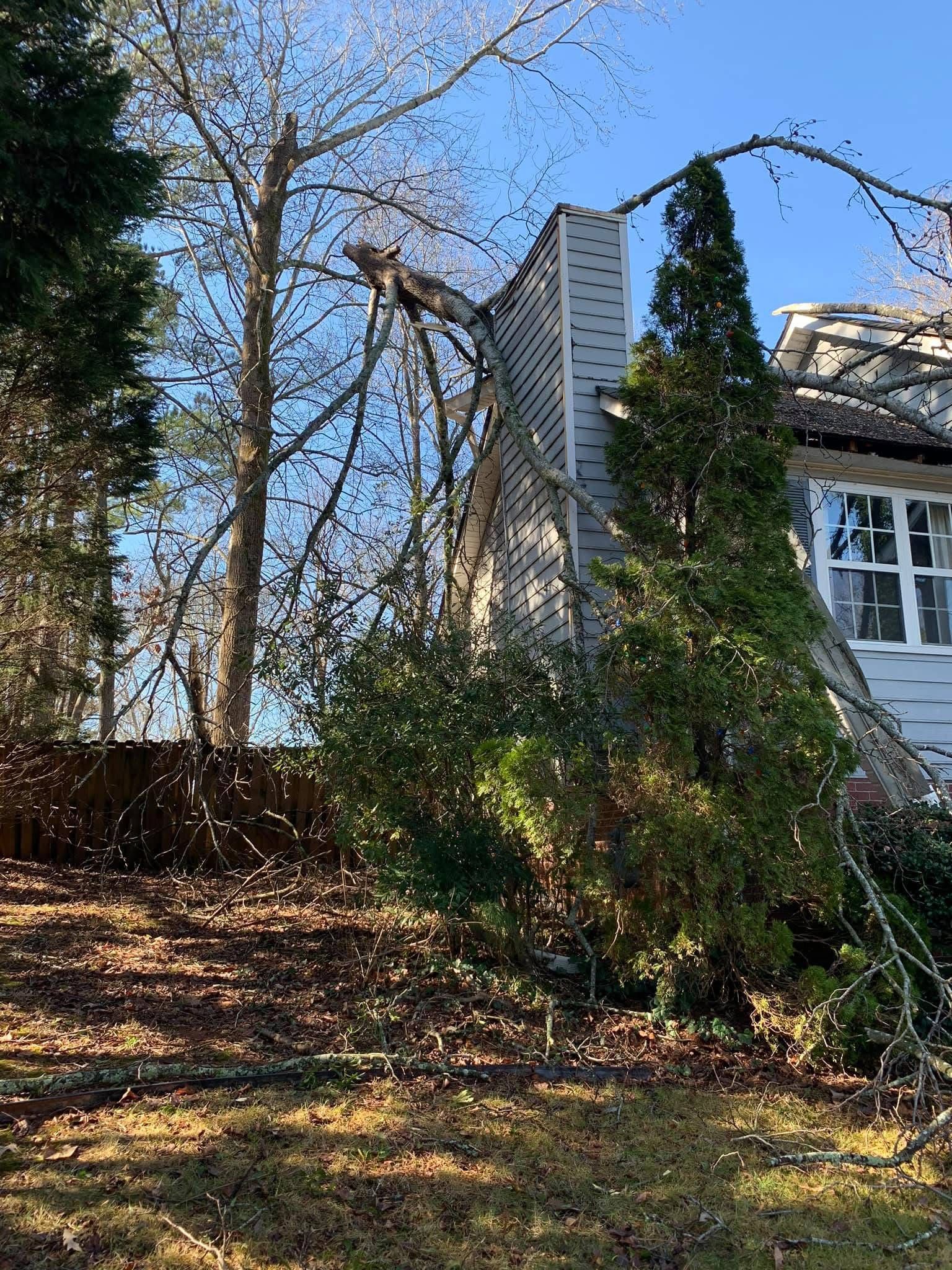
Many of the calls tree companies receive after a storm involve issues that could have been prevented with earlier attention. Dead limbs falling on roofs, branches scraping siding, or trees uprooting during heavy rain are often the result of long-term neglect rather than sudden surprise.
A winter-focused tree safety plan typically includes:
- Pruning dead or weakened limbs away from homes and driveways
- Thinning crowded canopies to reduce wind resistance
- Removing trees that show clear signs of advanced decay
- Identifying branches near power lines or structures that require special handling
By making these decisions in winter, homeowners greatly reduce their chances of needing emergency tree service later in the year.
Less Impact on Your Landscape
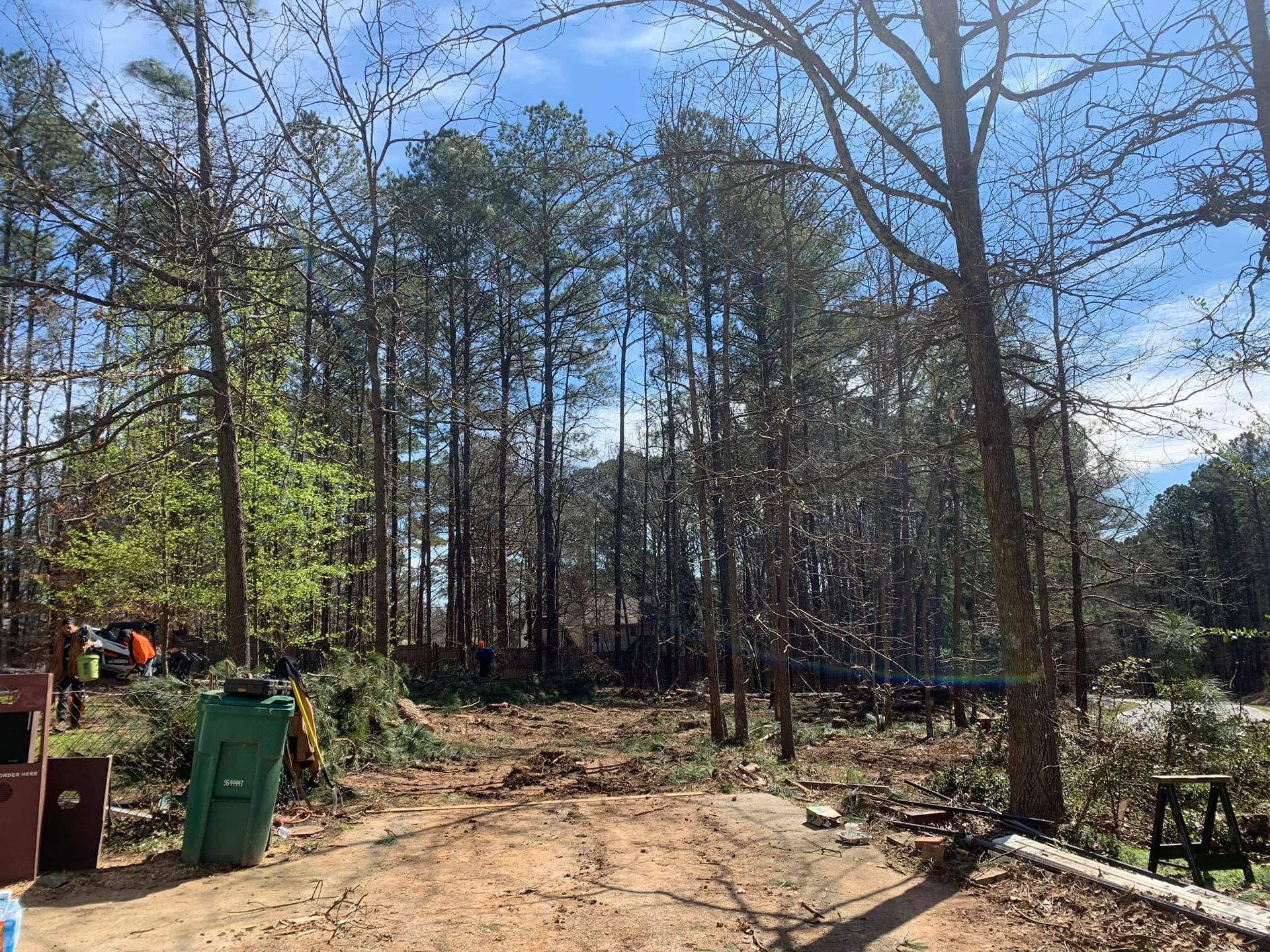
Another major advantage of winter tree work is that your lawn and garden beds are less vulnerable. When grass and many plants are dormant, there is less risk of damage from equipment and falling debris. This allows crews to move more freely and safely while protecting the overall look of your property.
For homeowners planning landscape upgrades in spring, taking care of tree hazards in winter lays a safer foundation for everything else you want to do outdoors later in the year.
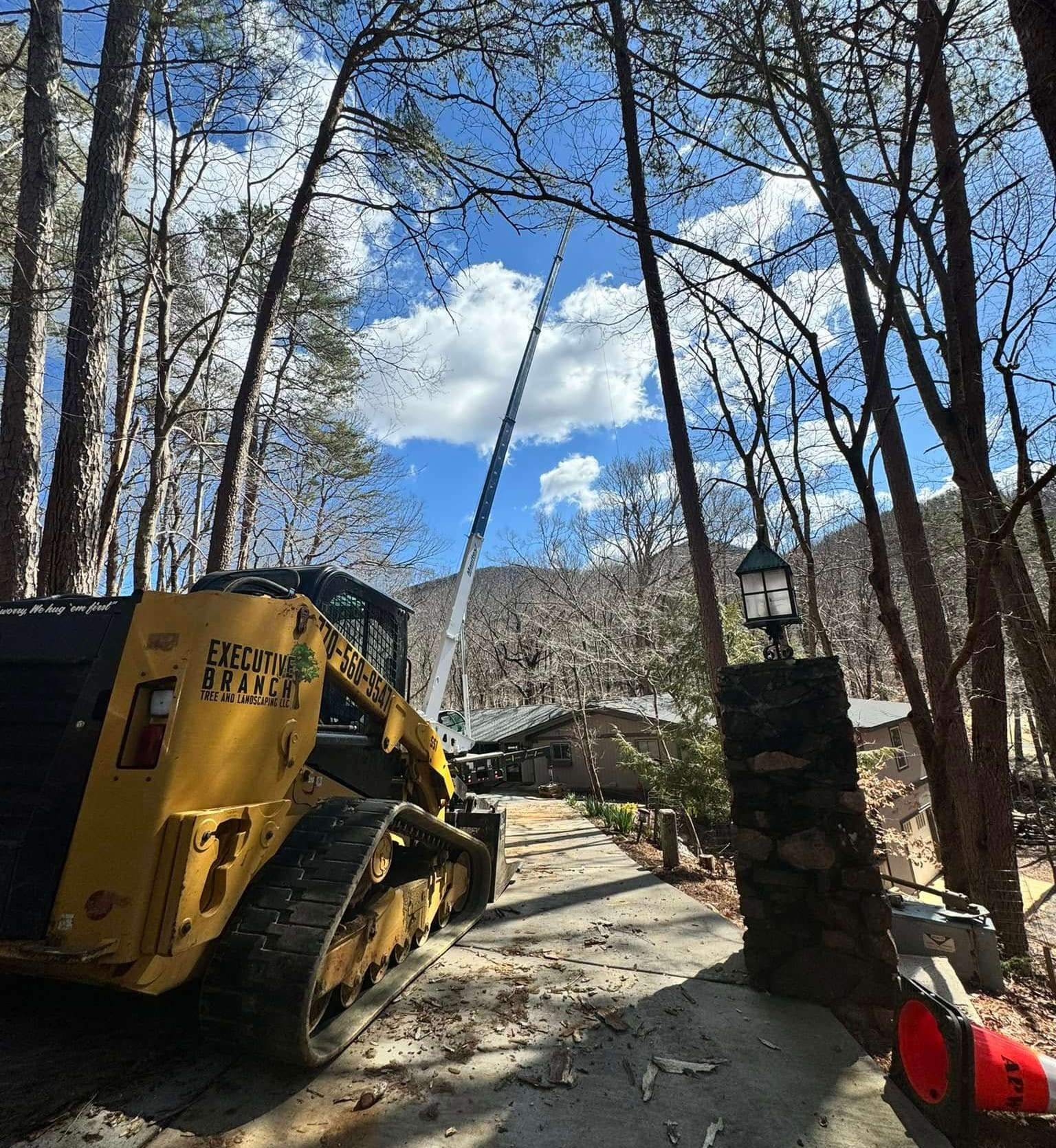
Make the Most of Winter With Professional Tree Care
Winter is more than just an off-season for your yard. It’s the most strategic time of year to take care of the trees that protect your home, frame your landscape, and add value to your property. By using the dormant season to prune, inspect, and correct structural issues, you reduce risks, promote healthier growth, and set your trees up for success in the months ahead.
Proactive winter tree care in Canton, GA and the surrounding areas can:
- Prevent limbs from falling during storms
- Improve the health and appearance of your trees
- Protect roofs, vehicles, fences, and outdoor living areas
- Reduce the need for costly emergency tree removals later
Whether you have mature hardwoods towering over your home, ornamental trees along the driveway, or a mix of pines and landscape trees around the yard, winter is the right time to give them professional attention. With thoughtful pruning and careful hazard assessment, you can enjoy the peace of mind that comes from knowing your trees are as safe and healthy as possible.
If you’re ready to schedule winter tree pruning or would like a professional hazard assessment for your property, you can request service by clicking the button below.
Recent Posts